
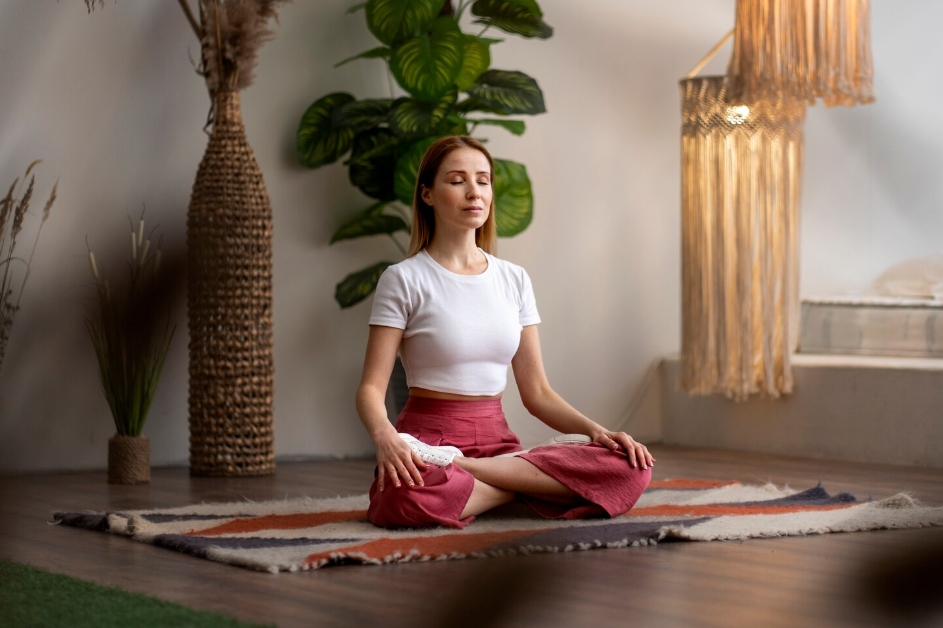
What Is Vipassana Meditation and How It Benefits Your Mind
Meditation has become an essential practice for many people seeking mental clarity, emotional peace, and stress relief. Among the techniques that have stood the test of time,what is vipassana meditation remains one of the most impactful methods for developing mindfulness, self‑awareness, and presence.
Unlike approaches that focus on relaxation alone, Vipassana invites you to watch your internal world — thoughts, sensations, and emotions — with clarity and acceptance. This practice offers tools that help you understand how your mind works, reduce stress responses, and cultivate inner calm.
In this article, you will learn not only the definition and origins but also the philosophy, practical methods, benefits, and what to expect in both retreat and everyday practice. By the end, you will be equipped with a thorough understanding of Vipassana and how it supports mental, emotional, and physical well‑being through mindful observation.
What Is Vipassana Meditation?

Vipassana meditation is an ancient form of insight meditation that teaches you to observe your thoughts and bodily sensations without trying to change them or push them away. This encourages acceptance and awareness, two qualities essential for emotional balance. Rather than escaping stress or quieting the mind through distraction, you learn to notice what arises and falls away within your own body and mind.
The term “Vipassana” originates from the Pali language, where it means “seeing things clearly” or observing reality as it really is. It was rediscovered and taught by Gautama Buddha over 2,500 years ago and passed down orally until it was preserved in written form. Today, it is widely practiced around the world in structured courses and individual routines.
The Purpose Behind the Practice
Vipassana is not about relaxation or entertainment — it is about understanding. You cultivate insight into your habitual reactions, cravings, and aversions. By observing sensations and mental events without resistance or clinging, you begin to identify patterns that once operated unconsciously. This awareness gradually promotes emotional resilience and clarity of thought.
Unlike meditation styles that focus on what you think or why you think it, Vipassana emphasizes watching your experience as it unfolds in real time. This builds neutrality and reduces the power of recurring thought patterns that often feed stress and anxiety.
Core Principles and Philosophy

Vipassana is grounded in practical principles that encourage awareness, ethical conduct, and inner balance. These are not abstract theories but guidelines for experiential understanding that unfold through practice.
The Three Pillars: Sila, Samadhi, Panna
There are three core supports for Vipassana practice: Sila (ethical conduct), Samadhi (concentration), and Panna (wisdom). These elements work together as a supportive framework for observation, clarity, and internal transformation.
1. Sila (Ethical Conduct): This pillar focuses on living in a way that minimizes harm to yourself and others. Ethical conduct helps stabilize the mind, reducing inner conflict and distraction. When your actions align with your values, your sense of inner peace naturally strengthens.
2. Samadhi (Concentration): Before you can observe subtle sensations or thoughts, you need a stable and focused mind. Samadhi refers to cultivating this concentrated awareness. Breath awareness and focused observation help your mind settle into clear attention rather than scattered thinking.
3. Panna (Wisdom): This is the insight that arises when you consistently observe experience without judgment. You begin to see impermanence — that every sensation, thought, and emotion is temporary and constantly changing. This wisdom underpins emotional resilience and helps you respond with composure rather than react impulsively.
Through regular practice, you learn what is Vipassana meditation — observing life as it happens, understanding causes and effects, and responding mindfully rather than automatically
How Vipassana Meditation Works
To practice Vipassana effectively, many begin with a structured environment that reinforces observation and self-awareness.
The Retreat Experience
Courses typically last ten days, offering long meditation sessions, periods of silence, and guidance. Noble silence helps participants focus inward, enabling a deeper understanding of thoughts and bodily sensations.
Meditation Techniques Explained
Vipassana mainly involves breath awareness (Ānāpāna) and systematic observation of sensations. Breath awareness anchors your attention, while observing sensations cultivates insight into the impermanent nature of experiences.
At-Home Practice
Even without attending a retreat, short daily sessions can help beginners develop mindfulness. Observing breath and sensations for a few minutes daily is recommended for Vipassana for beginners.
Key Benefits of Vipassana Meditation
Practicing Vipassana consistently offers wide-ranging benefits for mental, emotional, cognitive, and physical health. These benefits are not only immediate but also deepen with regular practice, transforming the way you respond to life.
1. Mental and Emotional Well-Being
Regular practice reduces stress and anxiety, while enhancing self-awareness. Observing thoughts and emotions without judgment helps manage reactions and fosters a calmer mind. Over time, this mindfulness leads to better emotional regulation, helping you stay centered even in challenging situations. Many practitioners report feeling a greater sense of inner peace and emotional stability in their daily lives.
2. Cognitive and Behavioral Advantages
Improved focus and decision-making are common outcomes. Mindfulness allows you to respond thoughtfully rather than react impulsively, benefiting work, relationships, and daily life. Additionally, consistent practice strengthens memory, attention span, and clarity of thought, making problem-solving more effective. You also become more aware of habitual behaviors and can consciously make healthier choices.
3. Physical Health Effects
Vipassana practice encourages relaxation, improves sleep, and reduces tension. These physical effects complement mental and emotional improvements, enhancing overall well-being. Over time, regular meditation may also help lower blood pressure, reduce stress-related fatigue, and improve overall energy levels. The mind-body connection cultivated through Vipassana supports holistic health and a sense of vitality.
4. Personal Growth
Long-term practice promotes equanimity, compassion, and emotional resilience. By observing life objectively, you reduce attachments and respond more effectively to challenges. This awareness encourages personal reflection and a deeper understanding of oneself, fostering patience and empathy towards others. Gradually, you develop a mindful approach to life that enhances relationships, decision-making, and overall satisfaction.
What to Expect During Practice
Many first‑time meditators wonder what they should expect during formal practice, especially in a retreat setting.
During a Vipassana Retreat
A retreat day typically includes:
- Early morning wake‑up
- Multiple meditation sessions
- Mindful walking
- Meal breaks
- Reflection time
- Sessions with teachers
Silence plays a central role. It helps create a focused inner environment by minimizing external stimulation. You may experience a range of emotions, from calmness and clarity to restlessness or emotional releases. Both are natural and part of the awareness process. By observing these states without resistance, you develop equanimity.
After the Retreat
Returning from a retreat can feel both grounding and challenging. Everyday life presents familiar stressors, but with the foundation built in meditation, you are better equipped to meet them with presence.
Many practitioners continue short daily meditation sessions and incorporate moments of mindful awareness into routine activities. This helps retain the clarity and emotional balance gained from the retreat. Over time, you may notice that ordinary moments become opportunities for mindful observation rather than automatic reactions.
Common Misconceptions
Vipassana has several common misconceptions that can discourage people from trying it. Clarifying them helps you approach the practice with an open mind.
1. Vipassana is only for spiritual seekers
Many people think Vipassana is only for religious or spiritual individuals. In reality, anyone can practice it, regardless of age, background, or beliefs, because it focuses on observing thoughts, sensations, and emotions.
2. Vipassana is a quick fix for stress
Some believe that Vipassana instantly removes stress or emotional issues. The truth is it develops awareness gradually, and consistent practice over time brings lasting benefits, just like training a muscle.
3. Vipassana is just for relaxation
A common misconception is that Vipassana is only meant to help you relax. While relaxation can occur, the main goal is awareness and insight — observing your experiences without judgment.
4. You must attend a retreat to learn Vipassana
Many think that Vipassana can only be learned in a retreat. Actually, daily at-home practice is effective, though retreats provide a structured environment for deeper immersion.
5. You must empty your mind completely
Some assume that meditation means completely stopping all thoughts. In Vipassana, the focus is on observing thoughts as they arise, not forcing the mind to be empty.
By understanding what is Vipassana meditation, you can approach the practice with realistic expectations and openness to growth.
Wrapping Up
By now, you have a clear and detailed understanding of what is Vipassana meditation, its origins, methods, and practical application. This ancient practice supports mindful living by encouraging observation without judgment and awareness of the impermanent nature of thoughts, sensations, and emotions.
Through both structured retreats and everyday mindfulness, Vipassana can transform how you relate to yourself and others. Its benefits include improved focus, emotional balance, stress management, and deeper self‑understanding — all rooted in consistent, conscious observation.
Frequently Asked Questions (FAQs)
Q1. How long should I meditate in Vipassana daily?
Beginners can start with 10–15 minutes daily and gradually increase the duration. Retreats involve longer sessions, but short daily practice is effective too.
Q2. Do I need to attend a Vipassana retreat to learn it?
No, you can start at home with short meditation sessions focusing on breath and sensations. Retreats help deepen practice but are not mandatory.
Q3. Can anyone practice Vipassana meditation?
Yes, anyone can practice regardless of age, religion, or background. It focuses on observing thoughts and sensations without judgment.
Q4. What are the common challenges when practicing Vipassana?
Restlessness, wandering thoughts, and emotional discomfort are normal. Observing them without reacting helps develop patience and awareness.
Q5. How long does it take to feel the benefits of Vipassana?
Some feel calm and clarity after a few sessions, while deeper benefits take weeks or months of consistent practice. Regularity is key for lasting results.